
IELTS practice test writing is vital to achieving success in the forthcoming 2026 examination. Free full-length IELTS general writing practice test worksheets for academic and general writing for IELTS Task 1 and Task 2 are in this guide. Access Task 1 and Task 2 prompts. IELTS writing practice test free resources simulate the real exam conditions, helping to manage time & structure responses effectively.
What is an IELTS Writing Practice Test?

An IELTS Writing Practice Test is a timed simulation of the actual IELTS Writing exam, designed to help candidates build the skills, speed, and confidence needed to perform well on test day. It replicates the real exam's two-task structure, time limits, and scoring criteria across both Academic and General Training modules.
- Task 1 Letters / Visual Reports (150+ words / 20 mins): Plan your greeting, purpose, details, and closing. For Academic, describe visual trends; for General, write structured letters.
- Task 2 Essays (250+ words / 40 mins): Create a clear introduction, outline arguments in body paragraphs with examples, and write a concise conclusion.
- Time & Structure: Bullet plan for 5 minutes; verify logical progression of ideas. Formality registers are essential.
- Vocab/Grammar: Integrate cohesive linking devices (e.g. however, moreover) and balanced complex sentences.
What Is the IELTS Writing Test and How Is It Structured in 2026?
The IELTS Writing test is a 60-minute exam using two tasks. Task 1 requires 150+ words (suggested 20 minutes) and Task 2 requires 250+ words (suggested 40 minutes).
| Feature | Academic Writing | General Training Writing |
|---|---|---|
| Task 1 | Describe graph/chart/diagram/process (150+ words) | Write a letter (formal/semi-formal/informal) (150+ words) |
| Task 2 | Essay—argument/opinion (250+ words) | Essay—argument/opinion (250+ words)—identical |
| Time | 60 minutes total | 60 minutes total |
| Who Takes It | University / Professional Registration | Work migration / Vocational education |
| Weighting | 1/3 (33%) of total score | 2/3 (67%) of total score |
“Task 2 is worth double the points of Task 1. If your preparation time is limited, spend at least 60% of your writing practice time exclusively on essay writing to maximise your overall band score.”— Shreya, WorkAbroad Expert
What Are the 4 Scoring Criteria for IELTS Writing?
- Task Achievement / Response (25%): Answering all parts of the prompt, writing key overviews, and supporting arguments with details.
- Coherence & Cohesion (25%): Logical paragraph progression and natural usage of transition devices (e.g. however, moreover).
- Lexical Resource (25%): Precision in vocabulary choices, utilizing appropriate synonyms, and avoiding repetitive keyword usage.
- Grammatical Range & Accuracy (25%): Sentence structure variety (mixing simple, compound, and complex) with high accuracy.
How Can You Access an IELTS Writing Practice Test for Free?
You can access an IELTS writing practice test free from official sources like British Council, ielts.org, and IDP India without registration. They mirror the paid versions identically:
- ielts.org: Official sample papers and tasks available for PDF download.
- British Council: Online practice material with expert model solutions.
- IDP India: Dedicated mock tests optimized for Indian aspirants.
- Cambridge books: Authentic past exam papers.
What Types of Questions Appear in an IELTS Practice Test Writing Task 1?
Academic Task 1 visual descriptions fall into six primary categories:
- Line Graph: Tracking comparative trends over time (surged, fluctuated, plateaued).
- Bar Chart: Comparing categories across various metrics.
- Pie Chart: Highlighting percentages and relative proportions.
- Table: Structuring multiple datasets where selective data reporting is needed.
- Map: Detailing spatial changes over different time periods (replaced by, constructed).
- Process Diagram: Detailing cyclical or linear steps showing how something works.
How Should You Structure Your Answer in IELTS Academic Writing Task 1?
- Introduction: Paraphrase the prompt (never copy it).
- Overview: Summarise the two most significant trends/features. This is mandatory for Band 7+.
- Body 1: Detail the figures for the primary trend.
- Body 2: Detail and compare data for the secondary trend.
What Should You Write in an IELTS Practice Test Writing Task 2 Essay?
Task 2 requires writing a cohesive essay of at least 250 words answering a prompt. You must master the five common essay structures:
- Opinion Essays (defend a singular stance)
- Discussion Essays (evaluate both perspectives and state your opinion)
- Problem-Solution Essays (suggest practical fixes for issues)
- Advantages vs Disadvantages Essays
- Direct / Two-Part Question Essays
How Do You Write a Band 9 Introduction for IELTS Writing Task 2?
A Band 9 introduction follows a strict two-sentence format:
- Background Sentence: Paraphrase the general topic prompt.
- Thesis Sentence: State your position clearly and specify the arguments to follow.
How Do You Get the Best Score Using IELTS Writing Practice Tests with Answers?
- Strict Timing: Practice writing Tasks under a stopwatch (20 min for Task 1, 40 min for Task 2). Do not exceed time limits.
- Self-Assessment: Evaluate your drafts using official band descriptors.
- Model Comparison: Actively annotate the sample answers to identify cohesive devices and high-scoring vocabulary you missed.
- Synonym Log: Maintain a dictionary log of synonyms to avoid repeating prompt keywords.
What Are the Most Effective IELTS Writing Practice Strategies for Indian Students?
Indian candidates commonly lose marks due to regional vocabulary terms (e.g. "do the needful") and convoluted syntax.
- Focus on writing clear, grammatically accurate complex sentences.
- Use formal, academic collocations rather than literal phrasing translations.
- Incorporate 3-4 cohesive transition devices naturally in essays.
What Are the Latest IELTS General Writing Practice Test Topics in 2026?
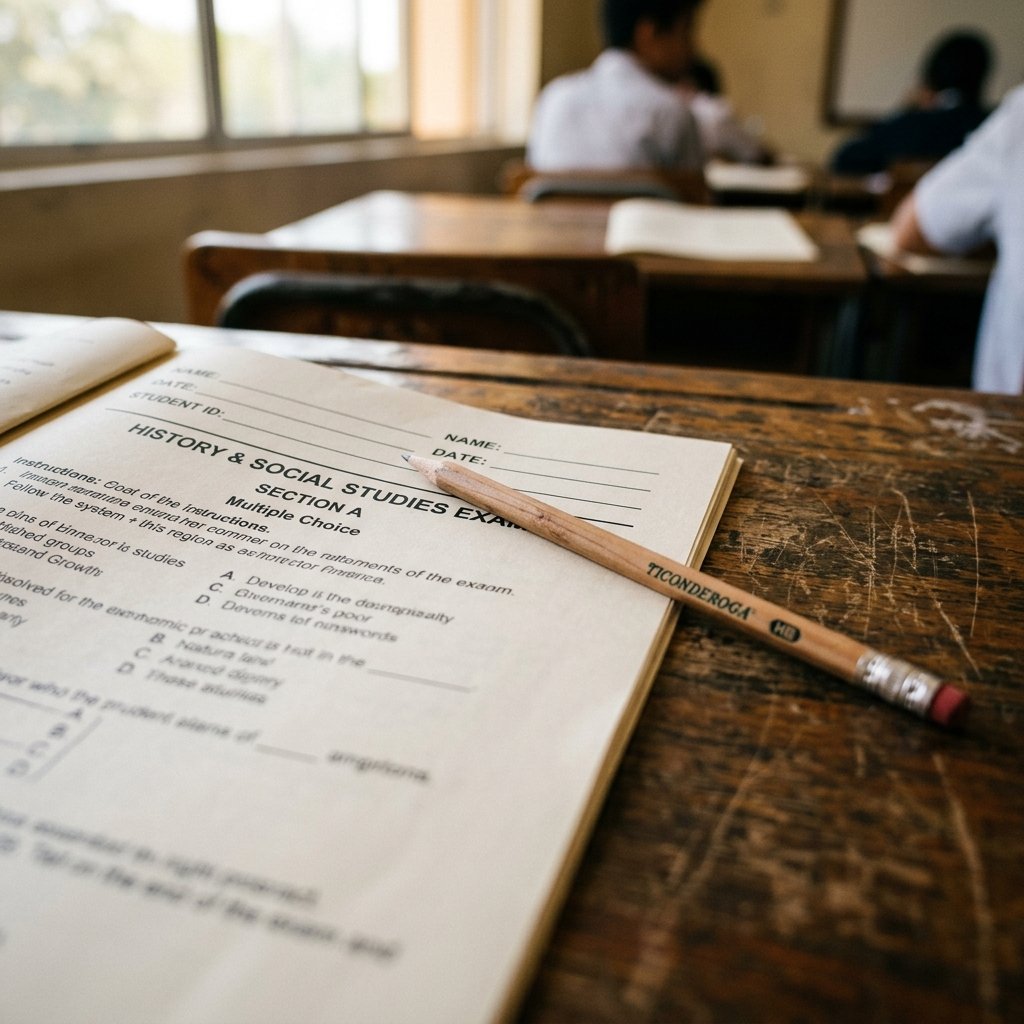
General Training Task 1 focuses on letters matching the appropriate register (formal, semi-formal, informal):
- Complaints to landlords or city councils
- Apologies for missed appointments or deadlines
- Requests for workplace leave or recommendations
- Thank-you notes and feedback for improvements
How Long Does It Take to Improve Your IELTS Writing Score With Practice?
Most candidates see a 0.5–1.0 band increase within 4 to 10 weeks of structured, timed daily practice.
| Starting Band | Target Band | Estimated Time Needed |
|---|---|---|
| 4.5–5.0 | 6.0 | 10–16 weeks |
| 5.5–6.0 | 6.5 | 6–10 weeks |
| 6.5 | 7.0 | 4–8 weeks |
| 7.0 | 7.5+ | 8–12 weeks (advanced idiom refinement) |
What Are Expert Tips to Score Band 7+ in IELTS Writing Practice Tests?
- Overview: Never write a visual analysis (Task 1) without a clear overview paragraph.
- Formatting: Maintain a clear 4-paragraph format for Task 2 essays (Intro, Body 1, Body 2, Conclusion).
- Target word counts: Aim for 170-190 words for Task 1 and 260-290 words for Task 2.
- Contractions: Avoid informal contractions (e.g. write “do not” instead of “don't”).
2026 Industry Context & Statistics
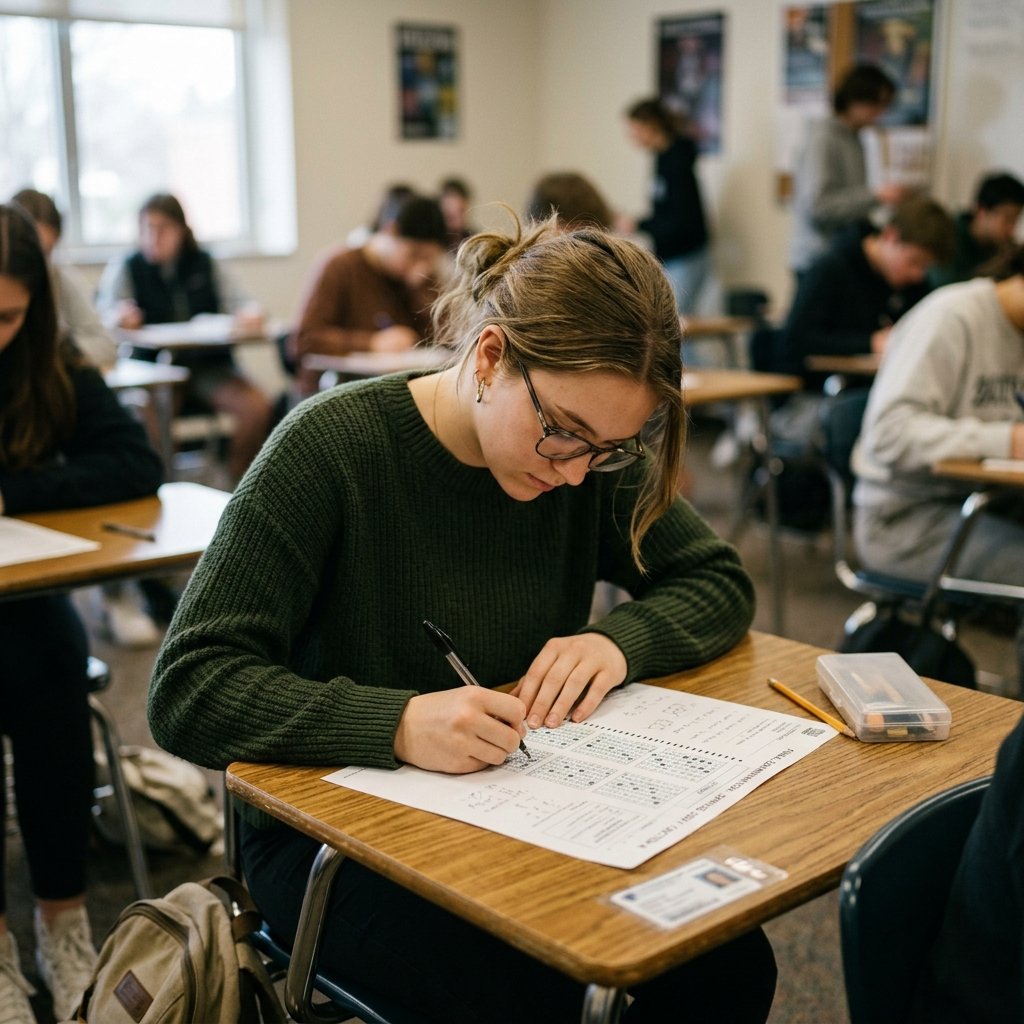
- Over 4 million IELTS tests are taken annually; India is a leading test nation.
- Task 2 essay responses carry double the scoring weight of Task 1 visual descriptions/letters.
- Automated AI evaluators are increasingly used to give instant predictive band feedback.
- The One Skill Retake (OSR) system allows retaking just the Writing module if needed.
Conclusion
Mastering the writing section is often the biggest hurdle for candidates seeking global immigration or study-abroad opportunities. Whether you are targeting Canada PR or UK employment in 2026, consistent IELTS practice test writing is your proven blueprint for success. This comprehensive free guide provides everything you need to achieve a Band 7+ score. We cover Academic and General Training modules, featuring expert strategies, the latest 2026 topics, breakdowns of scoring criteria, and high-scoring sample answers to accelerate your preparation.
Contact WorkAbroad for more information on IELTS Practice Test Writing: Free Guide with Sample Answers (2026).
