9 Best Jobs to Settle Abroad from India : Updated requires more than sending the same CV to hundreds of employers. The practical route is to understand where demand exists, how local employers describe the role, which credentials transfer, and whether the position can support a lawful work route. This 2026 guide combines job-search preparation, employer checks, application strategy and relocation planning for candidates who want a realistic path rather than a list of unsupported vacancies.
The article is written for Indian applicants and international readers comparing practical options in your destination country. It separates official requirements from planning advice and highlights the checks to complete before paying fees or making irreversible decisions.
9 Best Jobs to Settle Abroad from India in 2026: Updated: 2026 planning snapshot
| Decision area | What to check in 2026 |
|---|---|
| Role fit | Translate experience into the destination's job titles, duties and seniority levels. |
| Market proof | Use official labour data and current advertisements to confirm demand. |
| Employer quality | Verify registration, address, staff presence, contract terms and sponsorship ability. |
| Application quality | Tailor the CV and evidence to each role instead of relying on volume. |
| Work authorization | Confirm the immigration route before paying for relocation or resigning. |
Step-by-step approach for 2026
- Define the outcome. Write down the role, qualification, travel purpose or residence result you need. This prevents choosing a opportunity because its name sounds suitable while its legal or practical outcome is different.
- Check the official rule. Read the current page from the relevant immigration authority or embassy. Record the page date, eligibility wording, fees and document rules. Recheck before submission because 2026 policy settings may change.
- Run a profile gap analysis. Compare your age, education, experience, language, funds, family situation and timeline with the published requirements. Mark each item as ready, missing or requiring professional clarification.
- Collect primary evidence. Request passports, civil records, transcripts, employment letters, bank evidence, police records and translations early. Names, dates and duties should be consistent across documents.
- Validate third parties. Check the institution, employer, sponsor, recruiter or licensing body independently. Use official registers and contact details rather than links supplied only through messages.
- Build the financial plan. Separate government charges, tests, assessments, translations, insurance, travel, deposits and initial living costs. Keep a contingency instead of budgeting only for the application fee.
- Submit a consistent case. Forms, declarations and supporting records should tell the same story. Explain genuine discrepancies rather than hiding them.
- Prepare for the next stage. Plan biometrics, interview, medicals, notice period, accommodation and arrival compliance before the decision arrives.
Documents and evidence to prepare
- Valid passport and previous travel records.
- Civil-status records where applicable.
- Recent financial evidence with a clear source of funds.
- Language-test evidence if required.
- Certified translations for documents not accepted in the required language.
- Police or medical records when requested.
- Role-specific CV.
- Experience letters describing duties.
- Licensing or skills-recognition evidence.
Do not upload a document merely because it appears on a generic checklist. Follow the checklist generated for the exact application, institution or employer. File names should be clear, scans readable and multi-page records complete. Keep the originals available because an authority may request them later.
Check your eligibility before you spend on applications
Get a quick route fit check for visa options, documents, timelines, and common gaps in your profile.
Costs, funds and financial planning
A responsible 2026 budget has four layers. The first is the official charge shown by the relevant immigration authority or embassy. The second covers supporting requirements such as language tests, credential assessments, medical examinations, police certificates, translations and biometrics. The third covers travel or enrolment commitments, including deposits, insurance, flights and temporary accommodation. The fourth is a settlement reserve for rent, transport, food, communications and an employment gap after arrival.
Never assume that a fee quoted in an older article remains current. Currency changes, annual indexation and programme revisions can alter the amount. Check the official payment page immediately before paying. Use a card or account you control, retain receipts and be cautious when anyone asks for a government fee through a personal bank account, gift card, cryptocurrency wallet or untraceable transfer.
Employment, recognition and market research
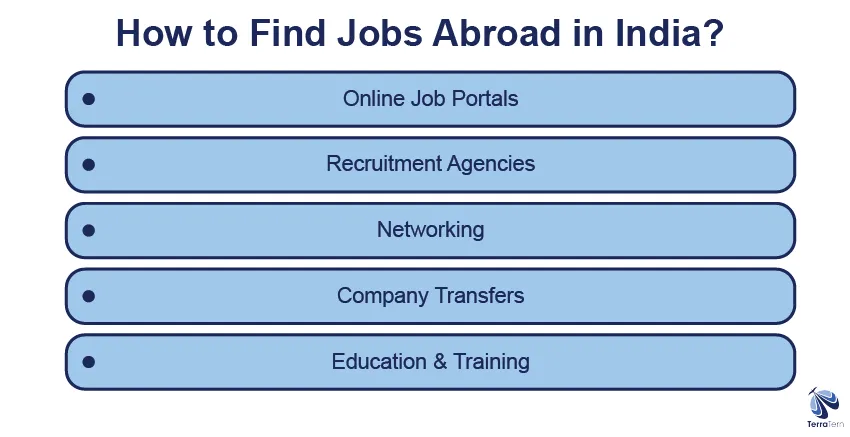
For employment-related decisions, use live evidence rather than broad claims about shortages. Start with the destination's official labour-market or careers information. Then sample current advertisements across several reputable job boards. Record the job title, location, required experience, language, salary format, licensing and whether work authorization is mentioned. A pattern across dozens of current vacancies is more useful than a single high-paying advertisement.
Regulated professions need a separate check. Immigration eligibility does not automatically grant permission to practise as a nurse, doctor, teacher, engineer, electrician or other licensed professional. Contact the relevant regulator and confirm assessment steps, supervised practice, examinations, language standards, costs and expected processing time before accepting an offer or enrolling in a conversion course.
Common mistakes and warning signs
- Outdated rules: A page may rank well in search while describing a programme that has changed, paused or closed. Verify the current official page.
- Guaranteed outcomes: No private party can guarantee a visa, admission, job offer or permanent residence decision.
- Unverified employment: Confirm the employer's legal name, registration, address, website history and authorized signatory before sharing sensitive records.
- Inconsistent evidence: Different dates, job duties, names or financial explanations can trigger questions and delays.
- Borrowed proof of funds: A sudden unexplained balance may not demonstrate genuine access to money.
- Premature commitments: Avoid resigning, selling assets or booking non-refundable travel before the necessary approval.
- Hidden contract terms: Read repayment clauses, probation, deductions, working hours, accommodation charges and termination conditions.
Estimate your overseas salary potential
Compare the likely earning range for your target country before shortlisting roles or visa pathways.
Timeline and processing strategy
Processing time is not a promise. It depends on the recruitment, licensing and immigration stages. Build a dependency-based timeline instead of selecting one target date. Document collection and third-party assessments can begin first; submission follows only when eligibility and evidence are ready; travel planning comes after the required approval.
Keep validity dates visible in one tracker: passport expiry, language-test validity, police certificate issue date, medical validity, offer deadlines and start dates. Add buffer for correction requests and public holidays. If one document will expire during processing, check whether the authority requires it to be valid on submission, on decision or on arrival.
How the plan changes by applicant profile
| Applicant situation | Practical focus |
|---|---|
| Early-career applicant | Build evidence of skills through recognized qualifications, projects, internships, language ability and realistic entry-level expectations. |
| Experienced professional | Document progressively responsible duties, leadership, measurable results and the local equivalent of the target role. |
| Applicant with family | Check dependent eligibility, partner work rights, schooling, healthcare, housing and the budget for all accompanying members. |
| Career changer | Explain transferable skills and obtain training or licensing evidence that connects prior experience to the new field. |
| Applicant with a refusal or gap | Address the underlying issue directly with evidence. Never conceal a refusal, study gap, employment gap or previous immigration history. |
Your 2026 action plan
First 7 days
Read the official overview, identify the exact occupation and target locations, and create a profile summary containing age, qualifications, experience, language, funds and family details. List every assumption that still requires verification.
Days 8 to 30
Request primary documents, start translations or assessments, research realistic costs and compare at least three credible options. For employment, tailor the CV and collect detailed experience evidence. For study, compare curriculum, recognition and graduate outcomes. For immigration, map every eligibility requirement to a supporting document.
Before committing money
Verify the recipient, refund terms, contract, official fee and consequence if the application is delayed or refused. Keep written records of advice and payments. Recheck the relevant immigration authority or embassy immediately before submission.
Before departure
Confirm approval conditions, insurance, accommodation, emergency funds, document copies and local registration obligations. Carry essential records securely and leave copies with a trusted contact.
Not sure where to start? Talk to an expert
Understand your options, eligibility, and best country before making a costly decision.

“Clear guidance, document checklist, and visa route explained in one call.”

“Clear guidance, document checklist, and visa route explained in one call.”

“Clear guidance, document checklist, and visa route explained in one call.”
How to compare options without relying on rankings
Create a weighted scorecard for eligibility, total cost, time, career value, family fit and long-term flexibility. Give each factor a weight based on your priorities and score only with evidence. This makes trade-offs visible: a lower-cost option may have weaker employment value, while a faster route may offer fewer long-term rights.
Repeat the exercise with a downside scenario. Test what happens if processing takes six months longer, rent is higher than expected, a partner cannot work immediately or the first job search takes time. The best option is usually the one that remains manageable when the optimistic assumptions are removed.
Evidence quality and application consistency
Strong evidence is specific, traceable and relevant. Employment letters should identify the organization, dates, hours, position and duties. Financial records should show ownership and the source of significant deposits. Academic records should come from the issuing institution where required. Relationship evidence should show an ongoing, genuine history rather than a collection of undated screenshots.
Review the complete file as an assessor would. Create a timeline of study, work, travel and residence. Explain overlaps and gaps. Check spelling of names, passport numbers and dates. A short, factual explanation supported by records is more credible than an elaborate statement that avoids the inconsistency.
Planning for arrival and the first 90 days
Approval is not the end of the process. Prepare a first-90-days plan covering temporary accommodation, local transport, banking, mobile service, tax or registration numbers, healthcare access and emergency contacts. Research the documents needed to rent a home and the amount normally required upfront.
For career plans, prepare a destination-style CV, references and a concise explanation of your work authorization. For study, record orientation dates, enrolment conditions and academic support. Keep enough accessible money for initial expenses and avoid assuming that part-time work or an immediate job will fund essential costs.
Check your eligibility before you spend on applications
Get a quick route fit check for visa options, documents, timelines, and common gaps in your profile.
When professional advice is useful
Professional advice may be worthwhile when the rules are ambiguous, a refusal has occurred, family circumstances are complex, documents conflict, an occupation is regulated or a large financial commitment depends on eligibility. Check whether the adviser is authorized in the relevant jurisdiction and obtain the scope, fee and refund terms in writing.
You should still understand the application submitted in your name. Review every answer, keep copies and never sign a blank form. An adviser should be able to identify the official rule supporting the recommendation and distinguish a legal requirement from a strategic suggestion.
A practical decision checklist
- I have identified the exact outcome and route.
- I checked the current official requirements myself.
- I can prove every important claim with a reliable document.
- I verified the employer, institution, sponsor or adviser independently.
- I calculated the full cost and retained a contingency reserve.
- I understand conditions after approval and the consequences of non-compliance.
- I have not relied on a guaranteed result or an unexplained shortcut.
- I will recheck rules and fees immediately before submission.
How to compare options without relying on rankings
Create a weighted scorecard for eligibility, total cost, time, career value, family fit and long-term flexibility. Give each factor a weight based on your priorities and score only with evidence. This makes trade-offs visible: a lower-cost option may have weaker employment value, while a faster route may offer fewer long-term rights.
Repeat the exercise with a downside scenario. Test what happens if processing takes six months longer, rent is higher than expected, a partner cannot work immediately or the first job search takes time. The best option is usually the one that remains manageable when the optimistic assumptions are removed.
Estimate your overseas salary potential
Compare the likely earning range for your target country before shortlisting roles or visa pathways.
Evidence quality and application consistency
Strong evidence is specific, traceable and relevant. Employment letters should identify the organization, dates, hours, position and duties. Financial records should show ownership and the source of significant deposits. Academic records should come from the issuing institution where required. Relationship evidence should show an ongoing, genuine history rather than a collection of undated screenshots.
Review the complete file as an assessor would. Create a timeline of study, work, travel and residence. Explain overlaps and gaps. Check spelling of names, passport numbers and dates. A short, factual explanation supported by records is more credible than an elaborate statement that avoids the inconsistency.
Planning for arrival and the first 90 days
Approval is not the end of the process. Prepare a first-90-days plan covering temporary accommodation, local transport, banking, mobile service, tax or registration numbers, healthcare access and emergency contacts. Research the documents needed to rent a home and the amount normally required upfront.
For career plans, prepare a destination-style CV, references and a concise explanation of your work authorization. For study, record orientation dates, enrolment conditions and academic support. Keep enough accessible money for initial expenses and avoid assuming that part-time work or an immediate job will fund essential costs.
When professional advice is useful
Professional advice may be worthwhile when the rules are ambiguous, a refusal has occurred, family circumstances are complex, documents conflict, an occupation is regulated or a large financial commitment depends on eligibility. Check whether the adviser is authorized in the relevant jurisdiction and obtain the scope, fee and refund terms in writing.
You should still understand the application submitted in your name. Review every answer, keep copies and never sign a blank form. An adviser should be able to identify the official rule supporting the recommendation and distinguish a legal requirement from a strategic suggestion.
Not sure where to start? Talk to an expert
Understand your options, eligibility, and best country before making a costly decision.
“Clear guidance, document checklist, and visa route explained in one call.”
“Clear guidance, document checklist, and visa route explained in one call.”
“Clear guidance, document checklist, and visa route explained in one call.”
A practical decision checklist
- I have identified the exact outcome and route.
- I checked the current official requirements myself.
- I can prove every important claim with a reliable document.
- I verified the employer, institution, sponsor or adviser independently.
- I calculated the full cost and retained a contingency reserve.
- I understand conditions after approval and the consequences of non-compliance.
- I have not relied on a guaranteed result or an unexplained shortcut.
- I will recheck rules and fees immediately before submission.
How to compare options without relying on rankings
Create a weighted scorecard for eligibility, total cost, time, career value, family fit and long-term flexibility. Give each factor a weight based on your priorities and score only with evidence. This makes trade-offs visible: a lower-cost option may have weaker employment value, while a faster route may offer fewer long-term rights.
Repeat the exercise with a downside scenario. Test what happens if processing takes six months longer, rent is higher than expected, a partner cannot work immediately or the first job search takes time. The best option is usually the one that remains manageable when the optimistic assumptions are removed.
Evidence quality and application consistency
Strong evidence is specific, traceable and relevant. Employment letters should identify the organization, dates, hours, position and duties. Financial records should show ownership and the source of significant deposits. Academic records should come from the issuing institution where required. Relationship evidence should show an ongoing, genuine history rather than a collection of undated screenshots.
Review the complete file as an assessor would. Create a timeline of study, work, travel and residence. Explain overlaps and gaps. Check spelling of names, passport numbers and dates. A short, factual explanation supported by records is more credible than an elaborate statement that avoids the inconsistency.
Check your eligibility before you spend on applications
Get a quick route fit check for visa options, documents, timelines, and common gaps in your profile.
Planning for arrival and the first 90 days
Approval is not the end of the process. Prepare a first-90-days plan covering temporary accommodation, local transport, banking, mobile service, tax or registration numbers, healthcare access and emergency contacts. Research the documents needed to rent a home and the amount normally required upfront.
For career plans, prepare a destination-style CV, references and a concise explanation of your work authorization. For study, record orientation dates, enrolment conditions and academic support. Keep enough accessible money for initial expenses and avoid assuming that part-time work or an immediate job will fund essential costs.
Frequently asked questions
Is 9 Best Jobs to Settle Abroad from India : Updated guaranteed in 2026?
No. Eligibility creates the ability to apply or compete; it does not guarantee approval, admission or employment. Decisions depend on current rules and the evidence submitted.
Where should I confirm the latest requirements?
Use the relevant immigration authority or embassy for immigration rules and the relevant regulator, institution or employer for professional requirements.
How early should I begin?
Begin as soon as you can verify the intended route. Documents, tests, assessments and employer or institution responses often take longer than the final online form.
Can a consultant guarantee the result?
No. A qualified adviser can help interpret rules and organize evidence, but only the responsible authority, institution or employer makes the decision.
Should I rely on the salary or cost figures in an article?
Use them only as research prompts. Confirm current figures through official fee pages, tax calculators, labour statistics and live local listings.
What is the biggest avoidable mistake?
Acting on an unverified assumption. Confirm the route, eligibility and third party before paying, resigning, borrowing money or making non-refundable plans.
Conclusion
9 Best Jobs to Settle Abroad from India in 2026: Updated should be approached as a documented decision, not a shortcut. Start with the official rule, test the option against your own profile, verify every third party and budget for the complete journey. A careful 2026 plan may take longer to prepare, but it reduces avoidable refusals, unsuitable courses, weak job applications and costly commitments based on outdated information.
Need help planning your move abroad?
Share your profile with WorkAbroad and get a clear view of suitable countries, documents, visa options, and next steps.